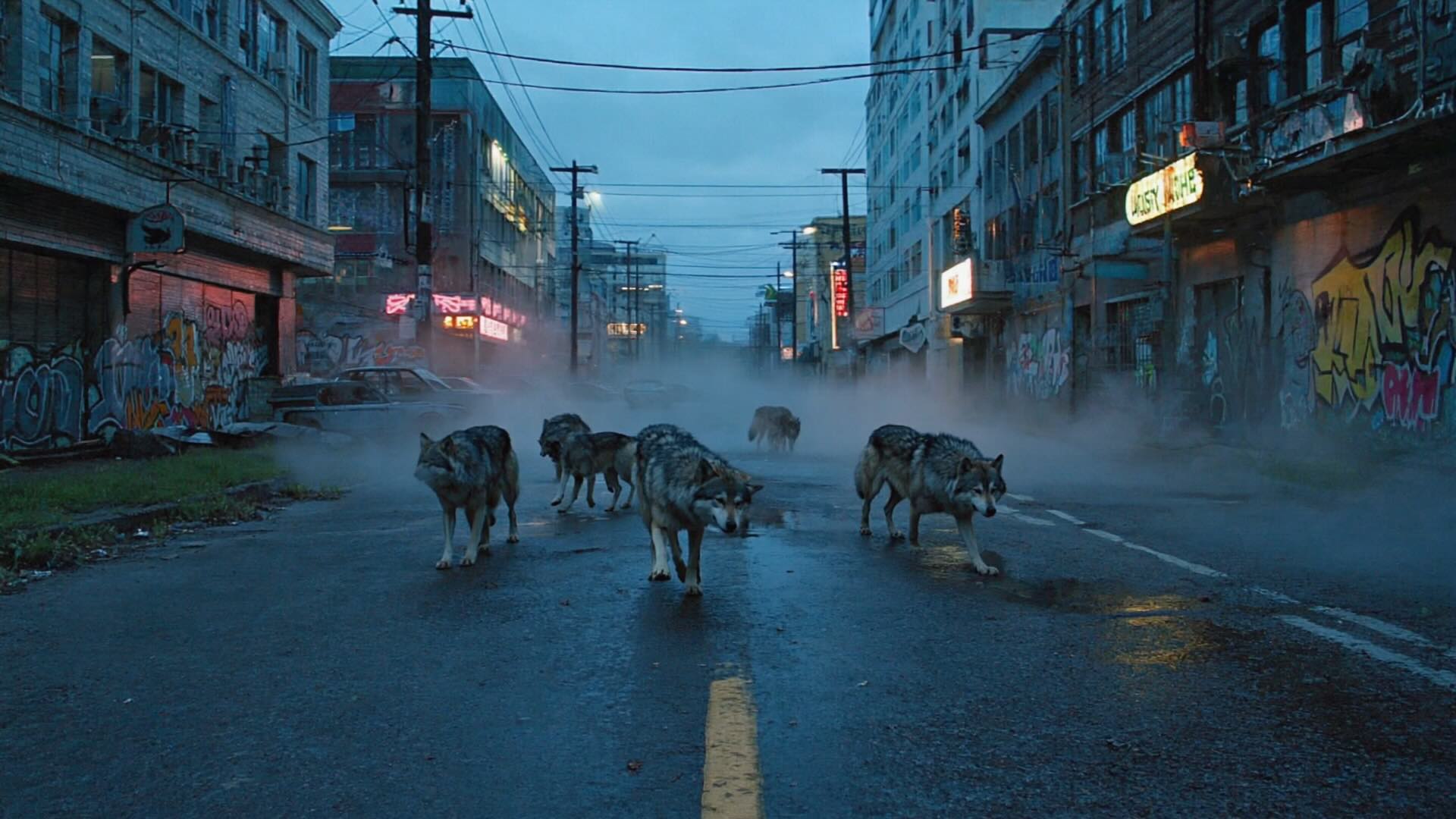
Let’s talk about werewolves, shall we? Or shifters, if you prefer the broader umbrella. Whether it's wolf packs howling at the moon or panther clans hiding in plain sight, most YA fantasy treats these groups like magical biker gangs. You’ve got the Alpha leading the charge, the Beta backing them up, the Omega getting side-eyed in the corner, and maybe a moody lone wolf brooding in the distance. Cue dramatic snarling and emotional angst.
But what if all of that hierarchy stuff is, scientifically speaking, total nonsense? What I've learned just might change the way I see shifters for good and gave me some great ideas for new stories!
Because, fun fact: the whole “Alpha wolf” concept that dominates shifter fiction is actually based on a myth. A real, published, widely accepted myth that’s been around for decades. And it's kind of overdue for a fact check.
Where the Alpha Idea Actually Came From
The term "Alpha" first came from a 1947 study by animal behaviorist Rudolf Schenkel, who observed wolf packs in captivity. You can read the original paper here if you're into vintage animal psychology.
These weren’t natural packs though. The wolves Schenkel studied were strangers stuck in an enclosure together, which is not how wolves normally live. Imagine if a bunch of unfamiliar teenagers were forced into a shared dorm with no phone signal or snacks. There would be power struggles too.
Fast forward a few decades and researcher David Mech came along, spent time observing wild wolves in their natural habitat, and realized that in the wild, wolves mostly live in family units. There’s no constant battle for dominance. The "Alpha" male is usually just… dad.
You can hear Mech himself explain the whole misunderstanding in this short video. He also wrote about it in his book The Wolf: Ecology and Behavior of an Endangered Species, which many people still quote without realizing he later tried to debunk the very model he helped popularize.
So Is Shifter Fiction Totally Wrong?
Not exactly. It’s fiction. You can bend the rules, toss in some moonlight mating magic, and create your own social systems. But here’s the cool part — understanding how real animals behave can actually help you build better, richer fantasy worlds.
Instead of just copy-pasting the whole Alpha-Beta-Omega setup, you can borrow from actual pack behavior that’s often way more fascinating than anything we made up.
For example:
- In wild wolf packs, parenting is shared and older siblings often help care for pups. This is called alloparenting.
- African wild dogs literally vote on when to go hunting by sneezing. The more sneezes, the higher the group motivation.
- Hyena packs are ruled by dominant females, and the boys are usually the ones who get pushed to the sidelines.
- Bonobos, while not in packs per se, resolve conflicts through grooming and bonding instead of aggression. Honestly, they might be more emotionally intelligent than most of us.
What if YA shifter fiction leaned into that? What if the drama came not from who’s stronger, but from who’s nurturing? Or who can sneeze with the most authority?
Fiction That Already Gets It (Mostly) Right
Some authors are already way ahead of the game. Patricia Briggs' Mercy Thompson series gives us shifters with complicated politics, trauma, and emotional depth that goes beyond rank. Maggie Stiefvater's Wolves of Mercy Falls books deal with the cost of shifting itself, not just the pack drama. And I'd like to suggest that I push the boundaries in my Moonshifter Academy Series too.
Even Anne Bishop's The Others series dips into how non-human social systems might actually work. It’s dark, weird, and incredibly creative.
Pack Structures Worth Stealing (With Love and Imagination)
If you're a writer, here are a few worldbuilding nuggets to play with:
1. Co-Alphas Instead of One Boss
Maybe leadership isn’t about brute force. What if two bonded leaders — emotional twins, soulmates, or even a human-shifter duo — have to stay aligned or the whole pack falls apart?
2. Consensus Voting
Inspired by wild dogs. The pack “votes” on decisions through a magical signal. Could be a synchronized howl, a psychic hum, or enchanted stones that change color.
3. Matriarchal Lines
Pull from hyena society. Females rule. Magic is passed from mother to daughter. Male shifters must either leave or bond themselves to the will of the matriarch.
4. Found Family Packs
No bloodlines. No hierarchy. Just a healer or outcast who slowly builds a group by rescuing broken shifters from other packs. Think a magical foster system with claws and compassion.
5. Omega Reimagined
In most fiction, Omegas are outcasts or comic relief. What if they’re actually the wisest? Immune to magic manipulation. Independent thinkers. The ones who see the flaws in the system and lead revolutions.
A Little Science, a Lot of Story
You don’t have to write a nature documentary with werewolves. But grounding your fantasy in real-life animal behavior gives it a layer of believability readers don’t even realize they’re craving.
The truth is, most real packs aren’t dominated by violence. They survive because of cooperation, connection, and a whole lot of quiet teamwork. That’s pretty compelling, even without the glowing eyes and shirtless moonlit brawls.
So the next time you’re reading or writing about a shifter pack, maybe pause and ask: are they really just wolves with human egos? Or is there something softer, stranger, and more real beneath the surface?